
TIME MANAGEMENT AND PRODUCTIVITY
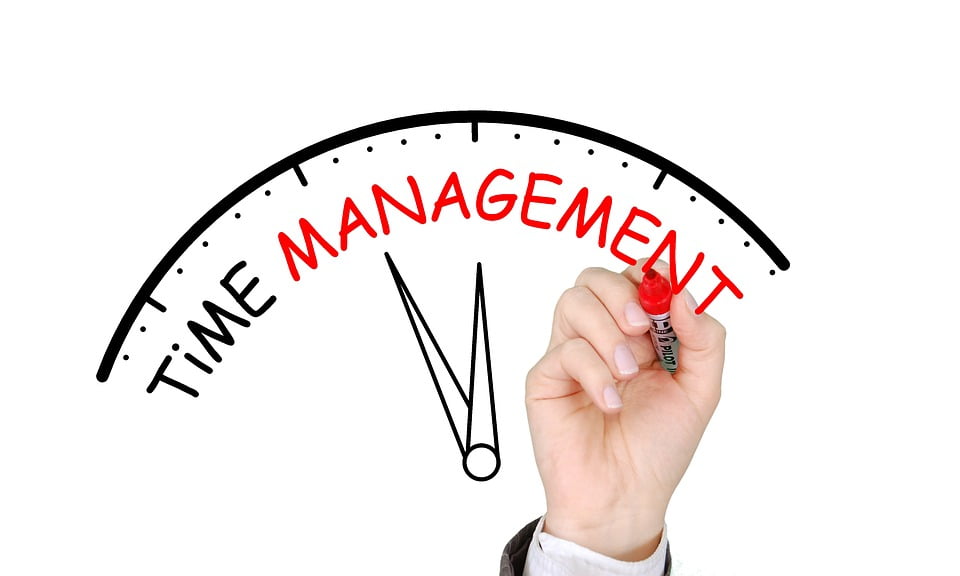
About Course
COURSE OVERVIEW
Time management is the process of planning and exercising conscious control of time spent on specific activities — especially to increase effectiveness, efficiency, and productivity. Time management involves demands relating to work, social life, family, hobbies, personal interests, and commitments.
Productivity is the efficiency of production of goods or services expressed by some measure; in this case– time. It is a measure of the efficiency of a person, machine, factory, system, etc., in converting inputs into useful outputs.
Time management is a skill (which can be learned, practiced, and honed) that contributes to better productivity. Maximizing productivity is one of the key reasons for managing time. By managing your time, you can work more efficiently, prioritize your tasks, and complete them in a timely manner, which ultimately increases your productivity.
TYPES OF TIME
- Physical time
This is public time, the time that clocks are designed to measure. Biological time is indicated by regular, periodic biological processes, and by signs of aging. The ticks of a human being’s biological clock are produced by heartbeats, the rhythm of breathing, cycles of sleeping and waking, and periodic menstruation, although there is no conscious counting of the cycles as in an ordinary clock.
- Biological time
This is not another kind of time, but rather is best understood as the body’s recording of physical time, in the sense that biological time is physical time measured with a biological process.
- Psychological time
This is private time; it is also called subjective time and phenomenological time. Our psychological time can change its rate, compared to physical time, depending on whether we are bored or instead intensively involved in achieving an aim.
IMPORTANCE OF TIME MANAGEMENT AND PRODUCTIVITY
- It helps you keep your workday under control, allowing you to build your business without sacrificing your personal life.
- Good time management skills take time to develop and put into practice.
- Time management skills can take time to develop and apply consistently to your life, but the process isn’t too complex.
- Good time management offers countless benefits, including improved work-life balance and a more efficient professional life.
- Time management will help you win new business and maintain your current clients.
- Getting started with time management doesn’t need to be difficult—you can start today.
Course Content
MODULE 1
-
THE UNIVERSALITY OF TIME
00:00
MODULE 2
MODULE 3
MODULE 4
MODULE 5
MODULE 6
MODULE 7
MODULE 8
MODULE 9
MODULE 10
QUIZ
Student Ratings & Reviews